Is SEO Still Relevant in 2026?
SEO is not dead in 2026. It split into two jobs: rank on Google, and get cited by ChatGPT, Claude, Gemini, and AI Overviews. Here is what to do.
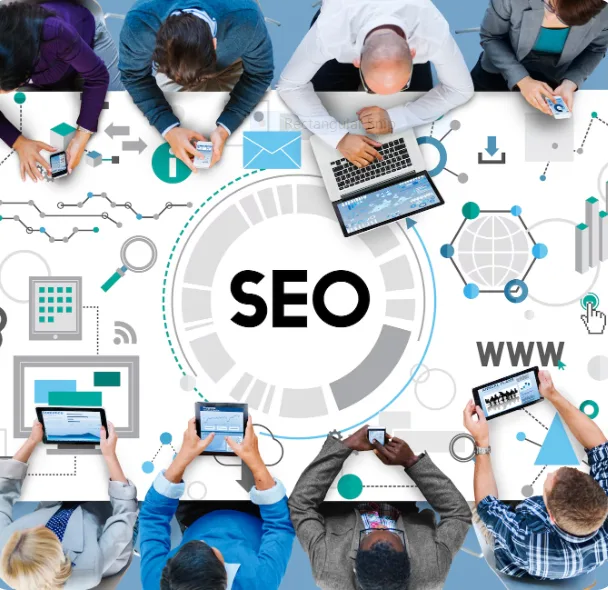
Is SEO still relevant in 2026? Yes, but the job changed. SEO is not dead. It is expanding into answer-engine and generative-engine work. The goal is now two things at once: rank on Google and get cited inside ChatGPT, Claude, Gemini, Perplexity, and AI Overviews.
Many founders ask if SEO still matters. It does. But ranking #1 no longer guarantees you get quoted by the AI. In 2026, being findable means being citable. This post explains what shifted and what to do about it.
SEO is not dead. It split in two.
Why SEO is still relevant in 2026
SEO is the steady layer in a fast-moving stack. It keeps brands visible while channels shift around them. Five reasons it still matters in 2026:
1. Search is still the entry point
Most buyer journeys still begin with a query, on Google, Bing, or an AI assistant. Search is how people discover brands. The interface changed, not the habit.
2. Organic authority compounds
Paid ads stop the day the budget stops. SEO keeps pulling visibility for months or years. The same authority signals that rank you on Google also make the AI trust and cite you.
3. SEO builds trust
High-ranking, well-structured sites read as credible to users and to models. In competitive industries, trust decides the deal. Strong SEO builds the authority that both reward.
4. AI search demands a second discipline
ChatGPT, Claude, Gemini, Perplexity, and AI Overviews now answer questions before a click happens. Content has to work for answer engines and classic SERPs at once. That is what Answer Engine Optimization (AEO) and Generative Engine Optimization (GEO) cover. They layer on top of SEO, not in place of it.
5. Intent beats keywords
Search engines and models read meaning, not just strings. Content tuned to the real question wins more attention and more conversions.
What changed in 2026
Two shifts broke the old SEO model. Both are measured, not hype.
1. Search went zero-click
About 60% of Google searches now end without a click. The answer sits on the page, in an AI Overview or a snippet. Ranking is not enough. You have to be the source the answer is built from.
2. Ranking no longer predicts citation
This is the big one. The overlap between top Google results and the pages AI engines cite fell from roughly 70% in early 2024 to under 20% in 2026. A #1 ranking does not mean ChatGPT or Claude will quote you. You now optimize for two separate result sets.
3. AI traffic is small but converts hard
AI referrals are still a slice of total traffic. But they convert 4 to 5 times better than classic organic. The AI pre-qualifies the visitor by recommending you, so they arrive ready to act.
4. The engine mix is fragmenting
ChatGPT is no longer the only surface that matters. Its share of AI referrals is falling as Claude rises fast, now the second-largest AI referral source ahead of Gemini and Perplexity. You cannot win on one engine and ignore the rest.
SEO trends in 2026: what is new
1. Google's E-E-A-T still matters
Google's focus on Experience, Expertise, Authoritativeness, and Trustworthiness (E-E-A-T) keeps shaping rankings. It pushes brands to publish quality, helpful content, and the same signal feeds AI citation rates.
2. Mobile and page experience
Google's mobile-first indexing and Core Web Vitals make user experience non-negotiable. Fast, responsive sites win on Google and on AI surfaces.
3. Local SEO keeps evolving
For location-based services, local visibility matters more than ever. From Google Business Profiles to review management, local SEO compounds with AI search. Models cite Google Maps and review sources directly.
4. Video and multimedia SEO
Video is now the default content format. Optimizing video with transcripts, tags, and descriptions feeds both YouTube ranking and the AI engines that pull from YouTube transcripts.
5. AI citation tracking
The newest layer is tracking where your brand gets cited inside AI answers, not just where it ranks on Google.
The myth: is SEO dead?
You have heard it: "SEO is dead." It is not. The tactics changed. The goal is the same: help users find what they need on the engines they trust.
What died is the assumption that one Google ranking covers everything. Now you optimize for classic search and for AI citation as two connected jobs. The brands that adapt keep winning. The ones that skip the second job vanish from AI answers.
Schema as an entity signal, not a formatting exercise
For a Norwegian refurbished-electronics retailer we shipped Product, FAQ and BlogPosting structured data across the storefront, plus an AboutPage-marked brand hub, so the engines have an authoritative page to resolve the retailer against. The Hulii case study has the full build.
This is the useful way to think about schema. It is not a formatting chore for a rich result. It is how you tell an engine what kind of thing you are, so it can decide whether you belong in an answer. We publish no performance figures for that client here; those are theirs to release.
What to do now
- Publish original, first-hand content on a steady cadence. AI rewards genuine experience.
- Write in citable chunks: clear questions, direct answers, then the detail.
- Use structured data so Google and AI engines can lift your facts cleanly.
- Focus on search intent and E-E-A-T, the shared signal for ranking and citation.
- Track where you get cited across ChatGPT, Claude, Gemini, and Perplexity, not just Google rank.
- Build a Brand Hub so every engine has one canonical source to quote.
These practices run the 2026 playbook. They keep you findable on Google and quotable inside the AI.
Final thoughts
Is SEO still relevant in 2026? Yes, and it matters more, not less. The work split into two lanes: rank on Google, and get cited by the AI. Intent-led, structured, first-hand content wins both. Brands that invest stay visible. Brands that skip it get lost in the noise.
Cubitrek runs SEO + AEO + GEO as one program, so you rank on Google and get cited inside ChatGPT, Claude, and Perplexity in the same sprint. Talk to us when you are ready.
Common queries
1) Is SEO still relevant in 2026?
Yes. SEO is not dead. It expanded into answer-engine and generative-engine work. You now rank on Google and get cited by ChatGPT, Claude, Gemini, and Perplexity. Same goal, two lanes.
2) Does a #1 Google ranking still get me cited by AI?
Not automatically. The overlap between top Google results and AI-cited pages fell from about 70% to under 20% by 2026. You have to optimize for AI citation as a separate job.
3) Is AI search traffic worth chasing if it is still small?
Yes. AI referrals are a slice of total traffic today, but they convert 4 to 5 times better than classic organic. The AI pre-qualifies the visitor, so they arrive ready to buy.
4) Which AI engines should I optimize for?
More than just ChatGPT. Its share of AI referrals is falling as Claude rises to second place, ahead of Gemini and Perplexity. Optimize for the full set and track each one.
5) Does Cubitrek have an AI visibility tool?
Yes. Our Brand Hub and answer-engine listener are our AI visibility stack. The Brand Hub gives every engine a canonical source. The listener tracks where you are cited across the major surfaces every week. See the full toolset on the AEO/GEO service page.
Let's discuss it over a call.
Key takeaways
- Why SEO Remains Relevant for Businesses in 2025
- What the Future of SEO Looks Like
- SEO Trends 2025: What’s Important and New
- Common Myths: Is SEO Dead?
Keep reading
Related articles.
More on the same thread, picked by tag and category, not chronology.
AI SEO Services: The Real Work
An agency owner's account of what sits under the AI SEO label: the four kinds of work in a real engagement, which three are verifiable and which one is not, and the cases where you should not buy it at all.
Faizan Ali Khan
AI Video Labeling Rules in 2026
Europe's transparency rules and California's provenance rules both became enforceable on 2 August 2026. What applies in the EU, US, UAE and Pakistan, which videos actually attract penalties, and what it means for agencies and the companies that hire them.
 Samrina Khan
How to Choose an AEO Agency
The buyer's side of answer engine optimization: the four layers a real program covers, twelve questions with the answers that should worry you, what it costs, and the cases where hiring anyone is the wrong move.
Faizan Ali KhanReady when you are
Want Cubitrek to run AEO & GEO for you?
We install aeo & geo programs for growing companies across the US and Europe. Book a call and we'll come back with a one-page plan in 72 hours.