
Building Autonomous Purchase Agents: The Machine Customer Era
Machine customers, AI agents that autonomously research, evaluate, and purchase on behalf of humans and organizations, are reshaping B2B and B2C commerce.

A machine customer is an AI agent that buys on behalf of a human or a company. It researches, compares, negotiates, and transacts.
Gartner predicts 15 billion connected products will act as customers by 2028. Machine customers are projected to drive a fifth of total revenue by 2030. The trajectory is set.
Machine customers run on a spectrum:
- Simple. Auto-reorder when stock dips below a threshold.
- Intermediate. Research SaaS, compare pricing, recommend a pick for human approval.
- Advanced. Manage a whole spend category against a pre-approved budget.
Why machine customers are inevitable
Three forces are converging.
- Capability. Agents can now run the full purchase loop. Research, comparison, negotiation, transaction.
- Infrastructure. APIs, digital catalogs, and automated contracting make machine-to-machine commerce real.
- Volume. Modern procurement has more decisions than humans can optimize.
Take enterprise SaaS. A mid-size company evaluates 200+ tools a year. Each one needs vendor research, feature scoring, pricing talks, security review, and contract management.
No procurement team can optimize all of that. A machine customer can. It runs 24/7 with no fatigue and consistent criteria.
The machine customer architecture
For a broader introduction, read our AI agents business guide.
Research agent
Scans the market for products that match your criteria. It watches vendor sites, review platforms, industry reports, and comparison sites.
It pulls pricing from multiple sources. The output is a shortlist ranked by fit.
Evaluation agent
Goes deep on the shortlist. It maps features against requirements, reads reviews and case studies, and checks vendor health.
Then it scores options on a weighted rubric. Financial stability, retention, and update cadence all factor in.
Negotiation agent
Engages with vendor sales teams or pricing APIs. It negotiates against:
- Market pricing data (what others are paying).
- Volume commitments.
- Contract length flexibility.
- Competitive alternatives.
Companies running negotiation agents report 12 to 18% better contract terms.
Transaction agent
Closes the deal. It generates the PO, processes payment through approved channels, and runs contract execution.
It also sets up the vendor account and kicks off onboarding. ERP and procurement systems stay in sync for full traceability.
Monitoring agent
Watches the vendor after purchase. It tracks SLA performance, usage, and value realization.
It flags renewal decisions 90 days out. When a better option appears, it recommends consolidation or replacement.
Use cases already in production
| Use case | Industry | Autonomy level | Results |
|---|---|---|---|
| Office supply auto-reorder | Cross-industry | Full autonomy | 15% cost savings, zero stockouts |
| Cloud resource optimization | Technology | Supervised autonomy | 30% cloud cost reduction |
| Energy procurement | Manufacturing | Supervised autonomy | 12% energy cost savings |
| SaaS license management | Cross-industry | Human-approved | 22% reduction in SaaS spend |
| Raw material sourcing | Manufacturing | Human-approved | 8-15% procurement savings |
| Media buying and ad spend | Marketing | Supervised autonomy | 25% better ROAS |
How to build a purchase agent
Step 1: Define the category and criteria. What is the agent buying? Spell out the must-haves, nice-to-haves, budget caps, and approval thresholds.
Step 2: Map the data sources. Vendor sites, marketplaces, pricing databases, review platforms, industry reports, and your own purchase history.
Step 3: Set autonomy levels.
- Full autonomy for low-value, routine purchases.
- Human approval for high-value or strategic buys.
- Human-directed for novel categories where the agent assists.
Step 4: Implement transaction controls. Per-transaction and per-period budget limits. Approved vendor lists. Compliance checks. PO workflows. Audit trails.
Step 5: Build the feedback loop. Track quality, cost, and vendor performance. Feed it back to the agent so the next decision is better.
What this means for B2B sales and marketing
If your buyers deploy machine customers, your go-to-market has to change. Machines do not respond to brand campaigns or relationship selling.
They evaluate on data:
- Published specifications.
- Verified reviews.
- Transparent pricing.
- API accessibility.
- Objective performance metrics.
To sell to them, structure your product data for machines. Use schema.org markup. Publish open API docs. Make pricing transparent. Invest in technical guides. Optimize for AI answer engines (GEO) where machine customers do their research.
Keep exploring
Key takeaways
- Why Machine Customers Are Inevitable
- The Machine Customer Architecture
- Evaluation Agent
- Negotiation Agent
- Transaction Agent
- Monitoring Agent
Questions people ask about this
Sourced from client conversations, Search Console, and AI-search citation monitoring.
- The monitoring agent tracks order fulfillment and quality against expected specifications. When discrepancies occur (late delivery, quality issues, incorrect items), the agent initiates the vendor's dispute process, provides documentation, and escalates to human review for complex or high-value disputes. For routine issues with clear policies, the agent handles resolution autonomously.
- Machine customers eliminate impulse purchasing and emotional bias, which is precisely the point. They optimize for objective criteria within defined parameters. This makes them superior to human buyers for commodity and specification-driven purchases. For purchases where subjective preference matters (design, user experience, brand alignment), human oversight ensures these factors are weighted in the decision criteria.
Keep reading
Related articles.
More on the same thread, picked by tag and category, not chronology.
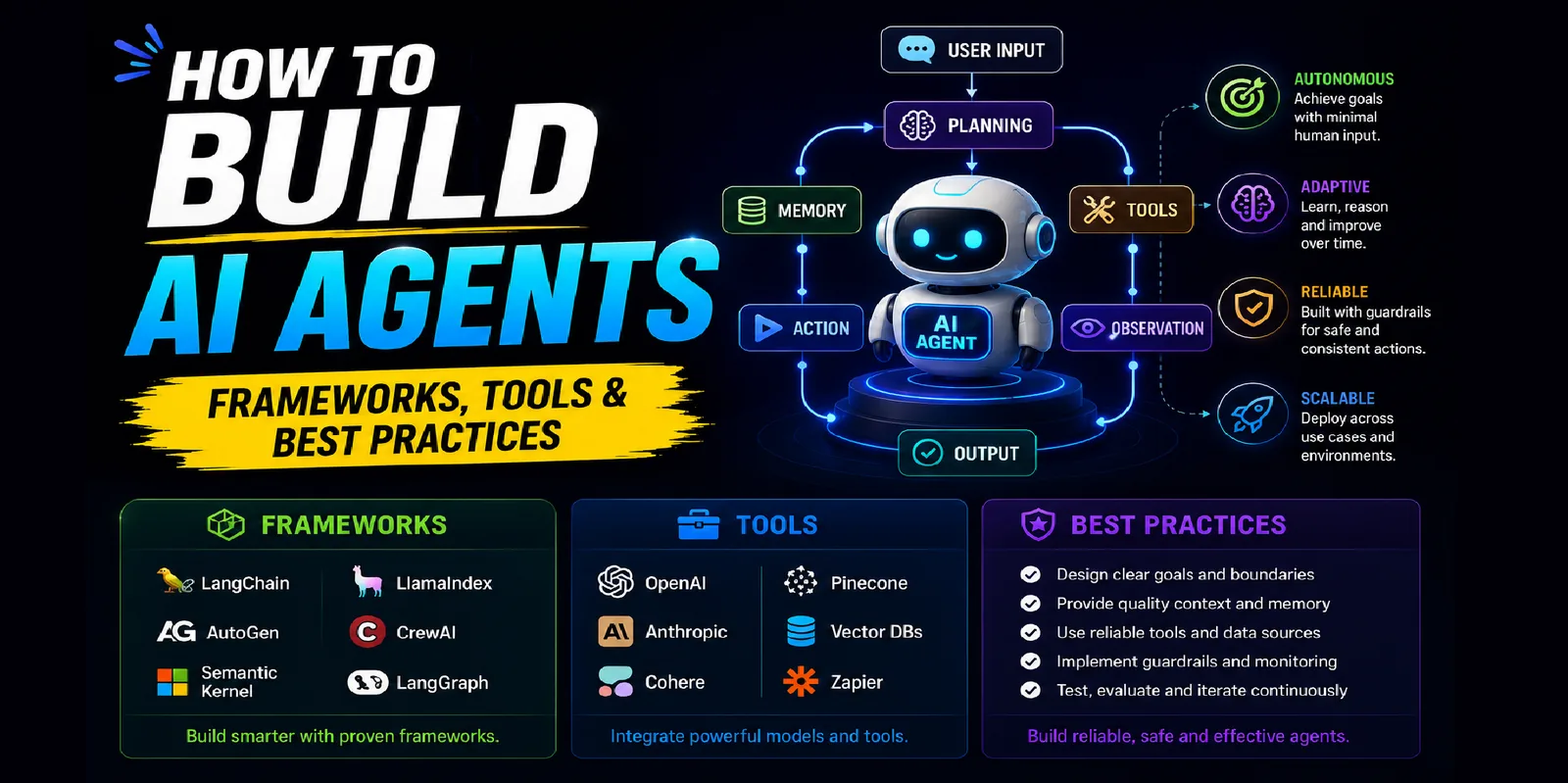
How to Build AI Agents: Frameworks, Tools & Best Practices
Step-by-step guide to building production AI agents. Compare frameworks, select tools, and follow best practices for reliable agent development in 2026.
Faizan Ali Khan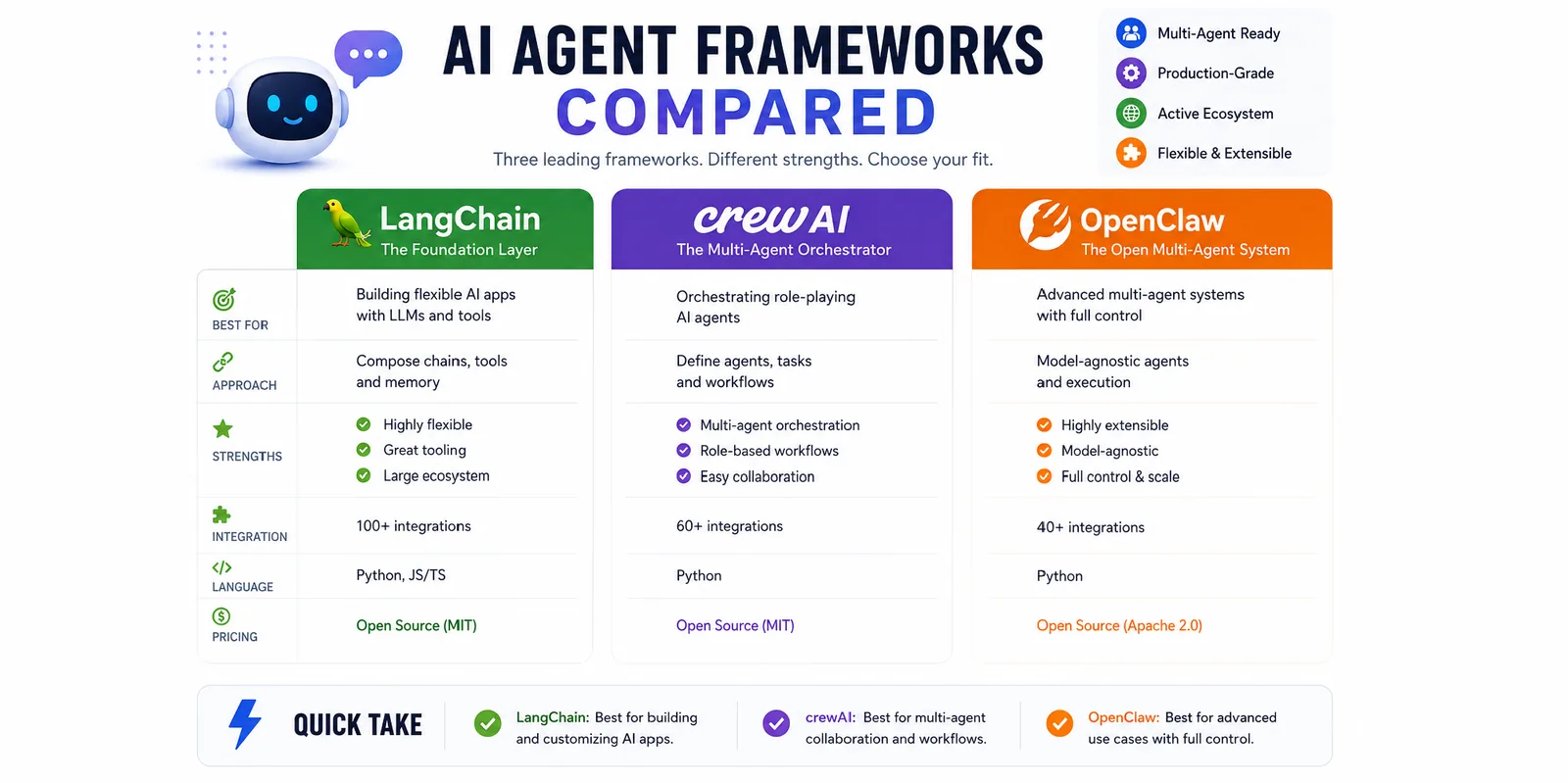
AI Agent Frameworks Compared: LangChain vs CrewAI vs OpenClaw
Detailed comparison of LangChain, CrewAI, and OpenClaw agent frameworks. Features, pricing, operating effort, and use case fit for enterprise AI agent development.
Faizan Ali Khan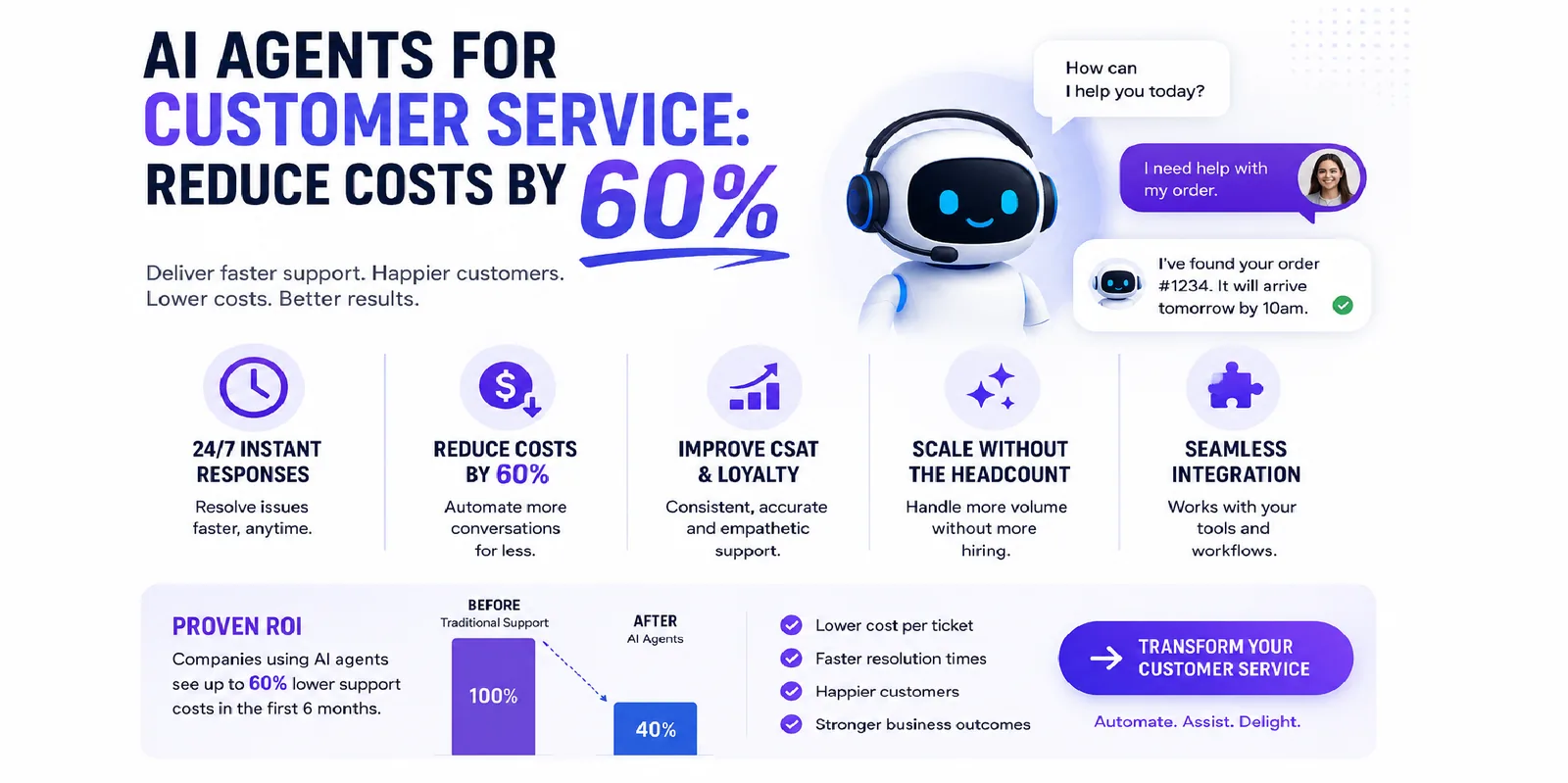
AI Agents for Customer Service: Reduce Costs by 60%
AI agents for customer service resolve 70%+ of tickets autonomously, cutting costs by 60%. Learn implementation strategies, real results, and best practices.
Faizan Ali KhanReady when you are
Want Cubitrek to run AI Agents for you?
We install ai agents programs for growing companies across the US and Europe. Book a call and we'll come back with a one-page plan in 72 hours.