AI Agents for HR: Recruitment, Onboarding & Employee Support
AI agents transform HR operations: automate recruitment screening, streamline onboarding, and provide 24/7 employee support. Reduce HR admin time by 60%.

HR teams are drowning in paperwork. The average HR pro spends 73% of their time on admin work.
Resume screening. Interview scheduling. Policy questions. Forms. Compliance docs.
The HR-to-employee ratio sits at 1:100 and trends toward 1:150. The math does not work.
AI agents handle the admin layer. That frees HR to focus on strategic, human-centric work.
AI agents for recruitment
Resume screening and shortlisting
A recruitment agent pulls applications from your ATS (Greenhouse, Lever, Workday, iCIMS). It reads each resume and scores candidates against job requirements. Skills, experience, education, certifications.
It then generates a shortlist with reasoning for each pick. 500 resumes get processed in the time a recruiter screens 20.
Important: configure the agent to evaluate skills and qualifications only. Not school names, company brands, or demographic proxies. Run monthly bias audits against diversity goals.
Candidate communication
For a broader introduction, read our AI agents business guide.
The agent runs all candidate comms. Acknowledgment emails. Status updates. Interview scheduling with timezone coordination. Prep materials. Rejection messages with personalized feedback.
Candidates get immediate responses at every stage. No more "black hole" experience that breaks employer brand.
Interview scheduling
Coordinating interviews across multiple interviewers is a huge time sink. The agent checks availability, proposes optimal slots, handles reschedules, sends reminders, and briefs interviewers on candidates.
It runs panel interviews, multi-round scheduling, and cross-timezone logistics on its own.
Initial screening conversations
For high-volume roles, agents run initial screens via chat or voice. They verify basic qualifications, assess communication skills, answer candidate questions, and flag top candidates for human follow-up.
The pool gets filtered before any human time is spent.
AI agents for onboarding
Document collection and verification
The onboarding agent runs the paperwork flow. It sends I-9, W-4, NDA, and benefits enrollment forms. It chases outstanding documents.
It verifies submissions for completeness. It flags discrepancies (name mismatches, missing signatures). It routes completed docs to the right systems (HRIS, payroll, benefits).
First-week orchestration
The agent coordinates the new hire's first week. Equipment provisioning with IT. Access requests for system accounts, badges, parking. Meeting scheduling. Training enrollment. Buddy and mentor assignment.
It sends a personalized first-week schedule with daily guidance.
Knowledge and training guide
New employees have hundreds of questions in their first weeks. The agent works as a 24/7 onboarding guide.
It answers questions on policies, benefits, tools, and processes from the handbook and knowledge base. It learns common new-hire questions and answers them proactively.
AI agents for ongoing employee support
HR help desk
The agent handles employee HR questions around the clock. PTO balances. Benefits enrollment changes. Payroll inquiries. Policy clarifications. Leave of absence. Expense reimbursement status. Workplace accommodations.
It resolves 70-80% of queries on its own. Complex cases route to the right HR specialist with full context.
Performance management support
Agents support the review cycle. They send reminders. They collect self-assessments and peer feedback. They compile review data for managers.
They generate review draft templates from documented achievements and goals. They track completion across the org.
Offboarding automation
When an employee leaves, the agent runs the offboarding process. Access revocation checklists. Exit interview scheduling. Equipment return. Final pay calculations. COBRA and benefits continuation. System updates.
Impact metrics
| HR Function | Time Before AI Agent | Time After AI Agent | Quality Impact |
|---|---|---|---|
| Resume Screening (100 apps) | 8-10 hours | 30 minutes | More consistent criteria |
| Interview Scheduling | 45 min/interview | 0 (automated) | Fewer scheduling conflicts |
| Onboarding Paperwork | 3-4 hours/hire | 20 minutes/hire | 99% completion rate |
| HR Query Resolution | 24-48 hours | < 5 minutes | Available 24/7 |
| Performance Review | 40 hours/cycle | 8 hours/cycle | Higher completion rates |
| Offboarding Process | 6-8 hours/departure | 1 hour/departure | Zero missed steps |
Compliance and ethics
EEOC and anti-discrimination. Agents used in hiring must comply with Title VII, ADA, and ADEA. The EEOC's 2023 guidance requires that AI tools avoid disparate impact on protected groups.
Run regular adverse impact analyses. Document the agent's decision criteria. Keep humans in the loop on every hiring decision.
State AI employment laws. As of 2026, Illinois, Colorado, NYC, and others require bias audits for AI tools in employment decisions. Some require notice to candidates that AI is being used. Comply with every applicable state and local law.
Data privacy. Employee data falls under privacy regs. GDPR for EU. State laws in the US.
Store employee data per retention policies. Provide access on request. Do not use employee data for model training without consent.
Keep exploring
Key takeaways
- AI Agents for Recruitment
- Candidate Communication
- Interview Scheduling
- Initial Screening Conversations
- AI Agents for Onboarding
- First-Week Orchestration
Questions people ask about this
Sourced from client conversations, Search Console, and AI-search citation monitoring.
- Surveys consistently show employees prefer AI agents for factual, routine queries (PTO balances, policy questions, benefits information) because they get instant answers without waiting. For sensitive matters (performance concerns, workplace conflicts, accommodations), employees prefer human HR professionals. Design your system to route sensitive topics to humans automatically.
- Major platforms, Workday, SAP SuccessFactors, BambooHR, Greenhouse, Lever, iCIMS, ADP, Paylocity, all offer APIs that AI agents can connect to. OpenClaw's ClawHub includes pre-built skills for many HRIS platforms. For platforms without API access, MCP connectors or custom integrations may be needed.
Keep reading
Related articles.
More on the same thread, picked by tag and category, not chronology.
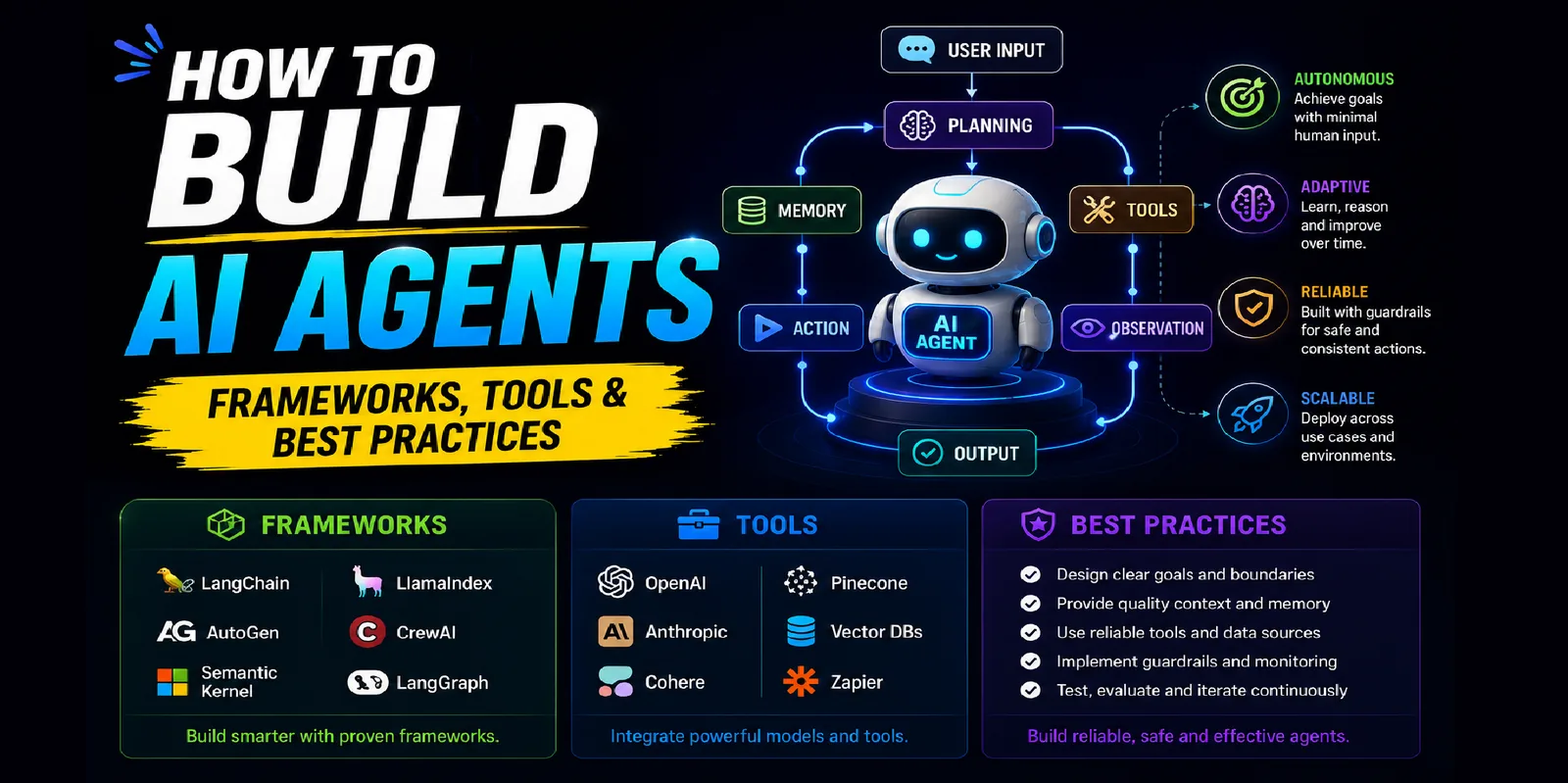
How to Build AI Agents: Frameworks, Tools & Best Practices
Step-by-step guide to building production AI agents. Compare frameworks, select tools, and follow best practices for reliable agent development in 2026.
Faizan Ali Khan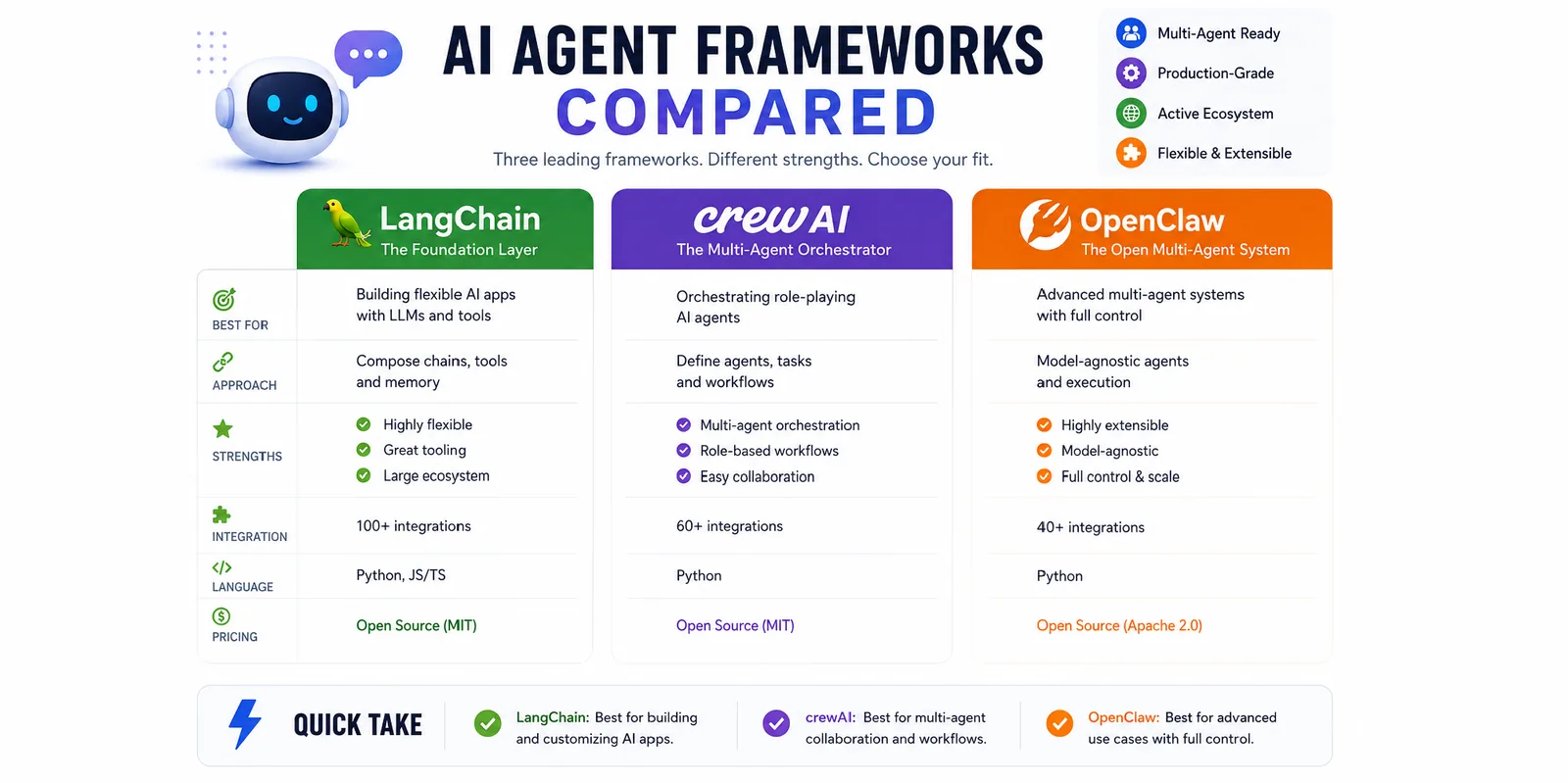
AI Agent Frameworks Compared: LangChain vs CrewAI vs OpenClaw
Detailed comparison of LangChain, CrewAI, and OpenClaw agent frameworks. Features, pricing, operating effort, and use case fit for enterprise AI agent development.
Faizan Ali Khan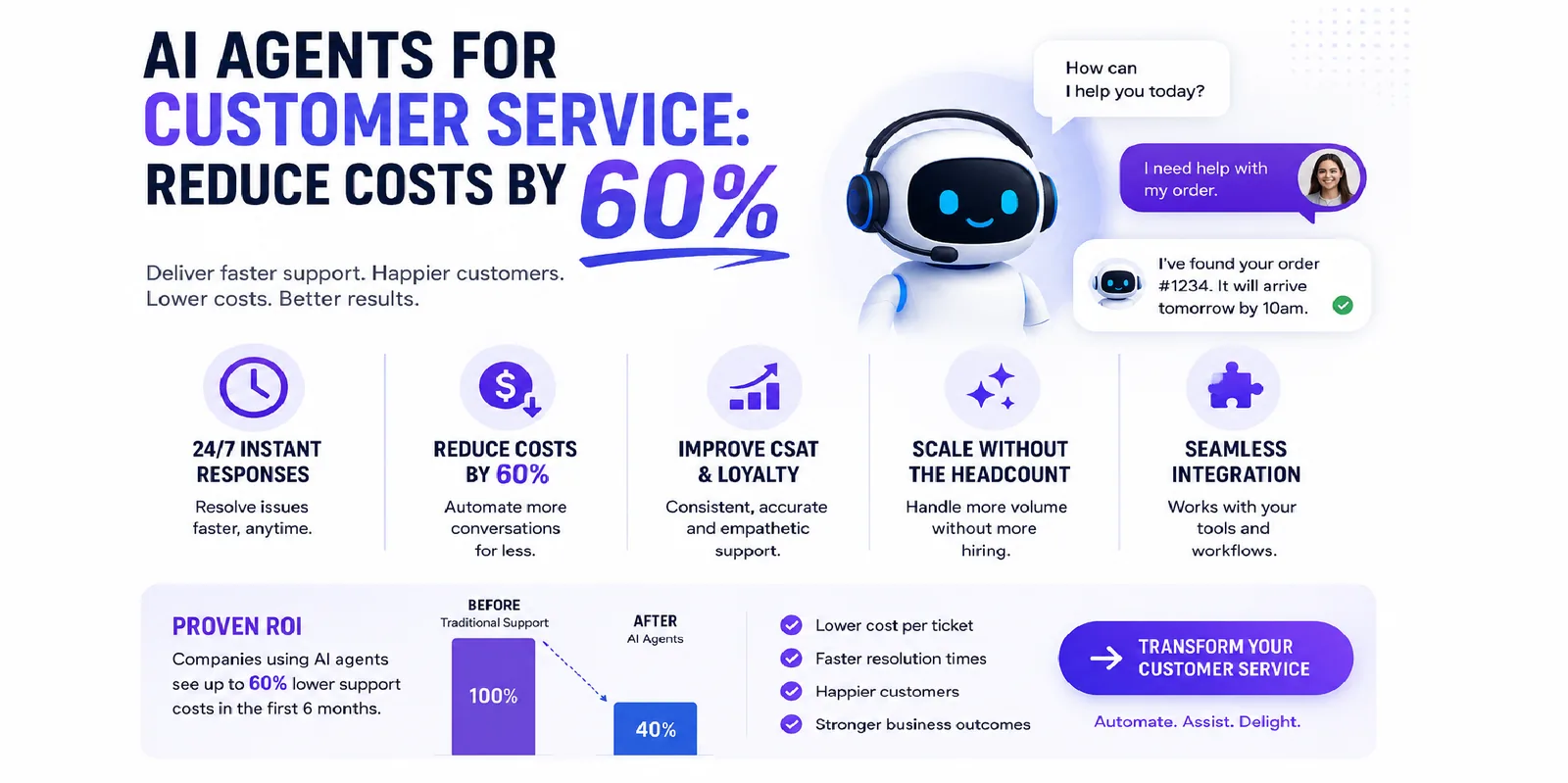
AI Agents for Customer Service: Reduce Costs by 60%
AI agents for customer service resolve 70%+ of tickets autonomously, cutting costs by 60%. Learn implementation strategies, real results, and best practices.
Faizan Ali KhanReady when you are
Want Cubitrek to run AI Agents for you?
We install ai agents programs for growing companies across the US and Europe. Book a call and we'll come back with a one-page plan in 72 hours.