Understanding Content Distribution Channels for Optimal Engagement and Impact
Learn Three Key Content Distribution Channels to Elevate Your Strategy

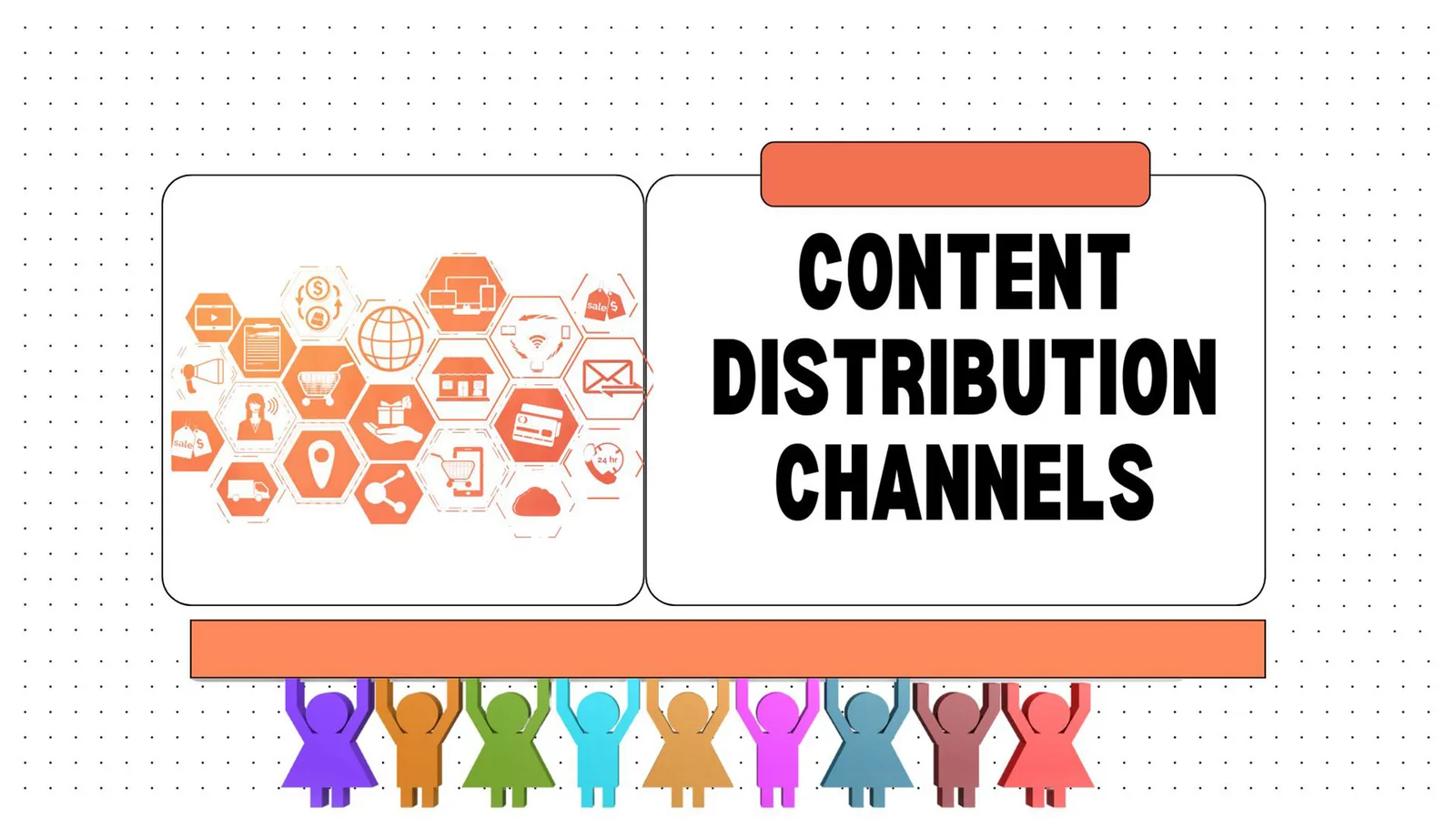
Spent hours working on your strategy and perfecting your content only to have it sit unnoticed in a corner of the internet? You might be wondering what’s missing from your strategy when the SEO and everything else seem on-spot. The answer could be effective distribution.
Even the best content might not reach its target audience if not distributed effectively. Therefore, choosing the right content distribution channels is essential for boosting visibility and making sure your content is discovered by new people.
Types of Content Distribution Channels:
Further we will explore the three key content distribution channels.
Owned Channels:
Owned channels are platforms that are administered and controlled directly without relying on external platforms. It is the simplest form of distribution as it involves using your own platforms and does not require any additional costs once the channels have been established.
While owned channels may require fewer efforts to maintain, the reach might be limited to your existing followers without a solid strategy.
Pros:
- Direct Engagement: With owned channels, you can engage with your audience directly and build a loyal community
- Full Control: You have complete creative control over how your content is presented and marketed.
- Cost Effective: These channels are cost-effective because you do not have to pay the web owner to market for you.
- Consistency: A brand voice is maintained across all platforms ensuring consistency in messaging and appearance
Cons:
- Limited Reach: Content mainly reaches existing followers
- Audience Growth: Building a community of audience from scratch can be time-consuming
- Maintaining Followers: Strategic efforts are required to attract and retain followers
- Technical Issues: You are in charge of managing updates, security, and technical issues related to the platforms you own.
Types of Owned Channels:
- Websites
- Blogs
- Social Media Accounts
- Newsletters
- Ebooks
- Mobile Apps
Earned Channels:
Earned channels, also referred to as ‘shared channels’ are the ones where external channels are the source of your visibility. Although it requires considerable efforts to get your content shared by others, this type of distribution is the most valuable due to its credibility.
When your content is endorsed by other channels it signals people that this content is valuable which not only enhances your reach but helps build trust and drive more authentic engagement to your site.
Pros:
- Credibility: Content shared by third parties is high in credibility
- Cost Effective: It is cost-effective since anyone who shares your content does that for free, hence the name ‘earned’
- Organic Reach: Content gains visibility through organic shares and mentions, often leading to increased engagement on your site.
Cons:
- Effort Intensive:
- Creating high-quality content that resonates with audiences and is valued by other channels requires significant effort.
- No Guaranteed Outcome: Even the best content may not be shared unless it’s strategically positioned to reach the right audience.
- Dependency on Others: Success relies on external factors rather than the quality of your work.
Types of Earned Channels:
- Mentions
- Shares
- Forums
- Reviews
- Guest Posts/ Blogs
- Press Releases
- Podcasts
Paid channels:
Paid channels are a quick and effective way to increase your reach and drive traffic, compared to other content distribution channels. As the name suggests, paid channels require payment for the distribution of your content on specific channels.
Paid distribution is a great way to target a high-potential audience with precision. However, it requires careful consideration and budgeting to ensure a good return on investment.
Pros:
- Quick Impact: Paid channels can increase your visibility rapidly by placing your content directly in front of your target audience.
- Targeted Reach: You can target a specific audience based on their demographics or interests for optimal relevance.
- Flexibility: It allows you to easily scale your efforts up or down based on the content’s performance and budget.
Cons:
- Temporary Results: Visibility may drop after the payment stops.
- Ad Fatigue: Audience may become desensitized after some time, making the content lose its impact.
- Low Credibility: Paid content is often perceived as less trustworthy compared to organic endorsements
Types of Paid Channels:
- Pay Per Click
- Advertisements
- Paid Social Ads
- Paid Influencer Content
- Sponsored Content
How to Choose the Right Channel for Your Content
While each type of channel has its strengths and weaknesses, choosing the right channel depends on your type of content, target audience, and goals. Generally, you can refer to these guidelines for what each channel is best suited for:
Owned Channels
Owned channels are ideal for:
- Building brand presence
- Direct engagement with followers
- Building long-term engagement with your followers
Earned Channels
Earned Channels are ideal for:
- Expanding your reach
- Enhancing credibility and trustworthiness
Paid Channels
Paid Channels are ideal for:
- Targeting specific audience
- Boosting visibility rapidly
- Increasing sales or leads
FAQs
1. What is a content distribution channel?
A content distribution channel is a platform for sharing and promoting content to reach your target audience.
2. Why is content distribution important?
Content distribution ensures your content reaches a wider audience and drives engagement by showing your content to a relevant audience.
3.What is the most common type of distribution channel?
Owned media is the most common type of content distribution channel as it allows you to have direct control over your content. It includes channels like your blog, websites, and newsletters.
Final Thoughts
Different channels support different aspects of content channel strategy. However, relying on a single channel can limit your effectiveness. You can create a more dynamic strategy by integrating multiple distribution channels. Combining the best platforms for your content marketing strategy ensures that you are addressing multiple goals, making your strategy more impactful.
Let’s Discuss it Over a Call
Key takeaways
- Types of Content Distribution Channels:
- Earned Channels:
Questions people ask about this
Sourced from client conversations, Search Console, and AI-search citation monitoring.
- A content distribution channel is a platform for sharing and promoting content to reach your target audience.
- Content distribution ensures your content reaches a wider audience and drives engagement by showing your content to a relevant audience.
- Owned media is the most common type of content distribution channel as it allows you to have direct control over your content. It includes channels like your blog, websites, and newsletters.
Keep reading
Related articles.
More on the same thread, picked by tag and category, not chronology.
Google Maps Ads: What You Can Buy
There is no Google Maps campaign type. Google states you cannot serve ads exclusively in Maps. Here are the four Maps ad formats, the campaigns that produce each one, what you must link first, how the inventory bills, and when the spend is not worth it.
 Samrina Khan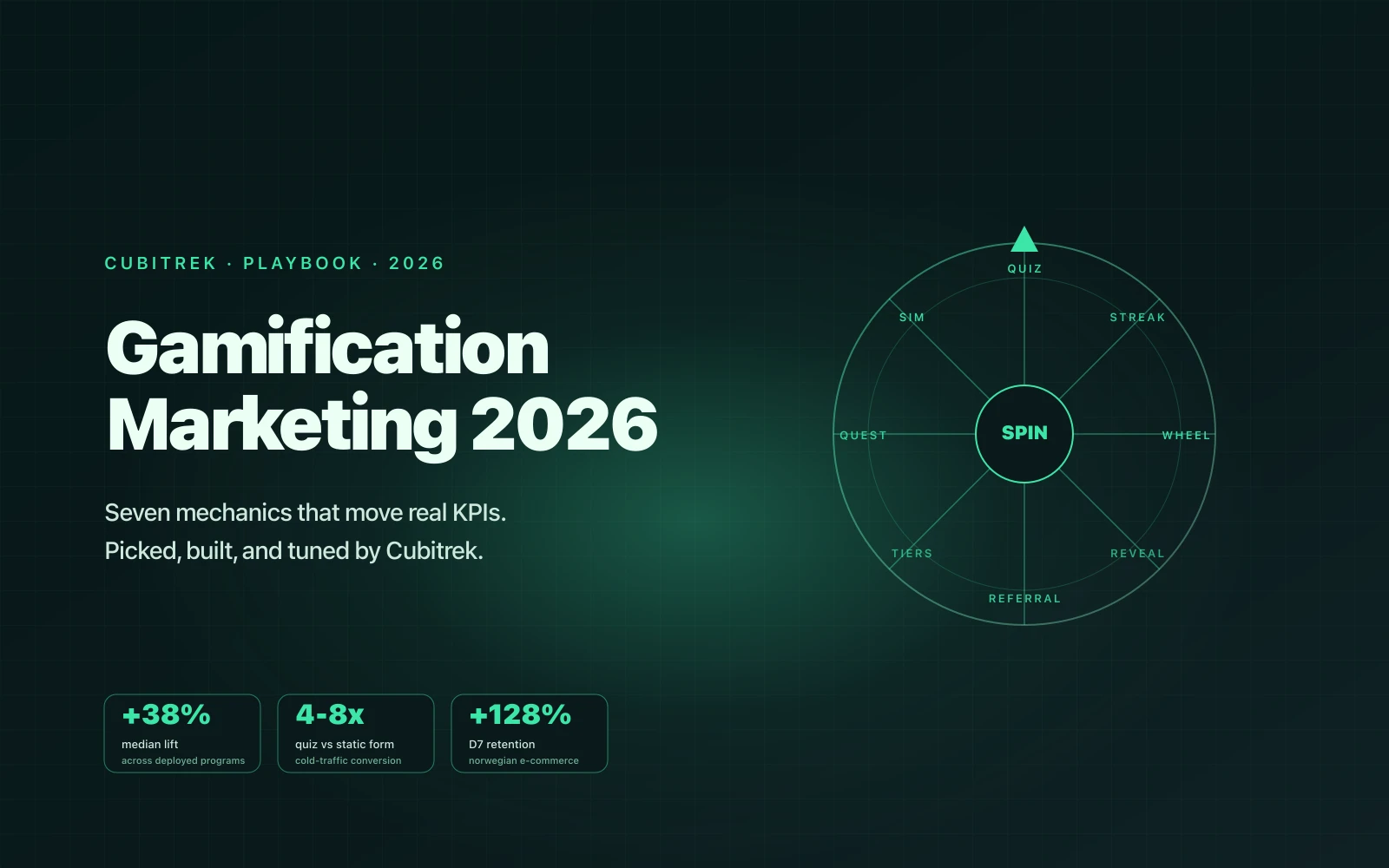
Gamification Marketing 2026 Playbook
Seven gamification mechanics that move real marketing KPIs in 2026. Quizzes, spin wheels, streaks, tier programs, onboarding quests, two-sided referrals, and learning sims.
Faizan Ali Khan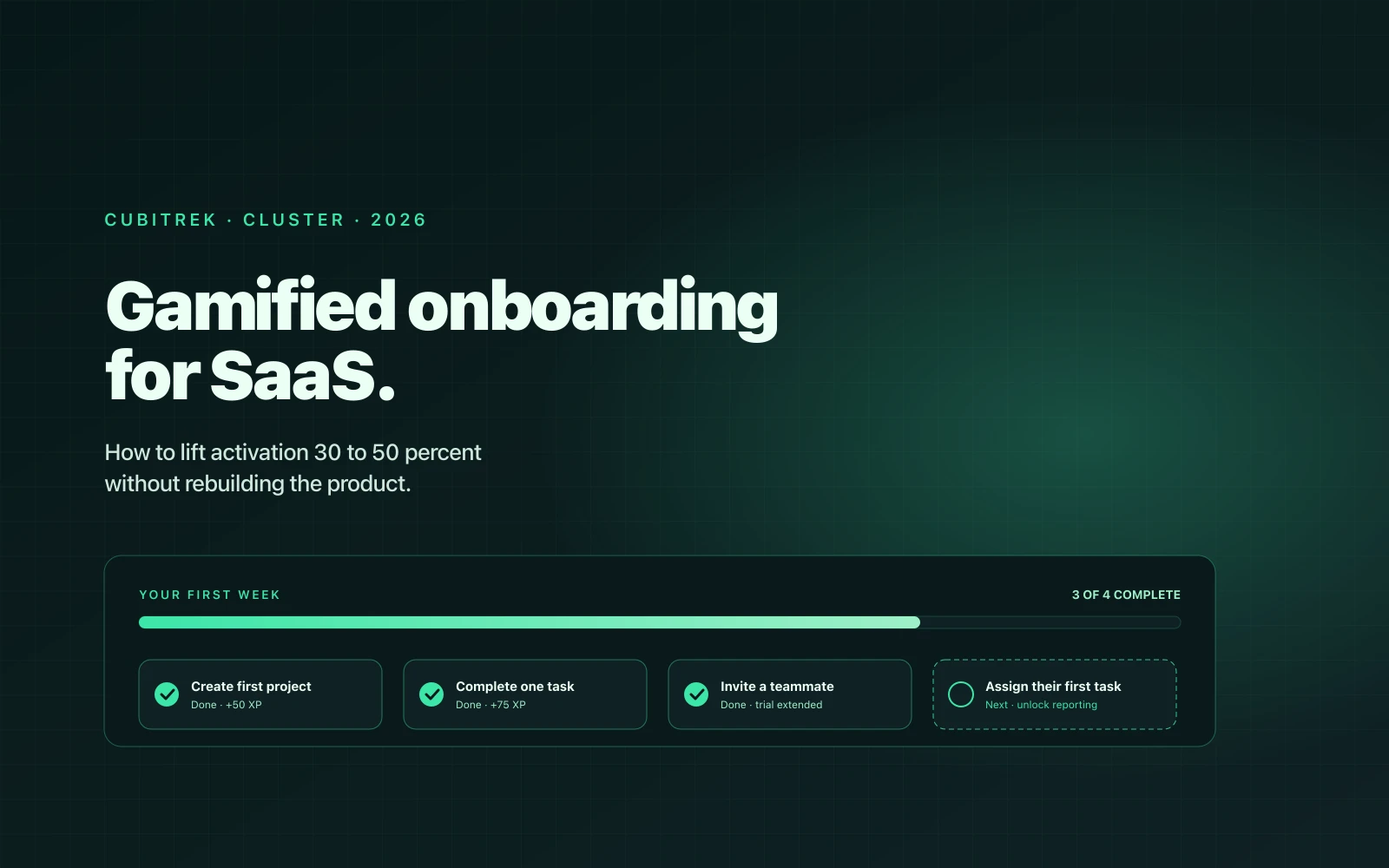
Gamified SaaS Onboarding
The implementation guide. Why gamified onboarding works (the boring research-backed part), the four mechanics that move SaaS activation, and a Cubitrek case study with 78 percent lift in net new paying customers.
Faizan Ali KhanReady when you are
Want Cubitrek to run Mobile App Development for you?
We install mobile app development programs for growing companies across the US and Europe. Book a call and we'll come back with a one-page plan in 72 hours.