
Content marketing analytics tools that senior operators actually use
Discover how content marketing analytics can improve your content strategy

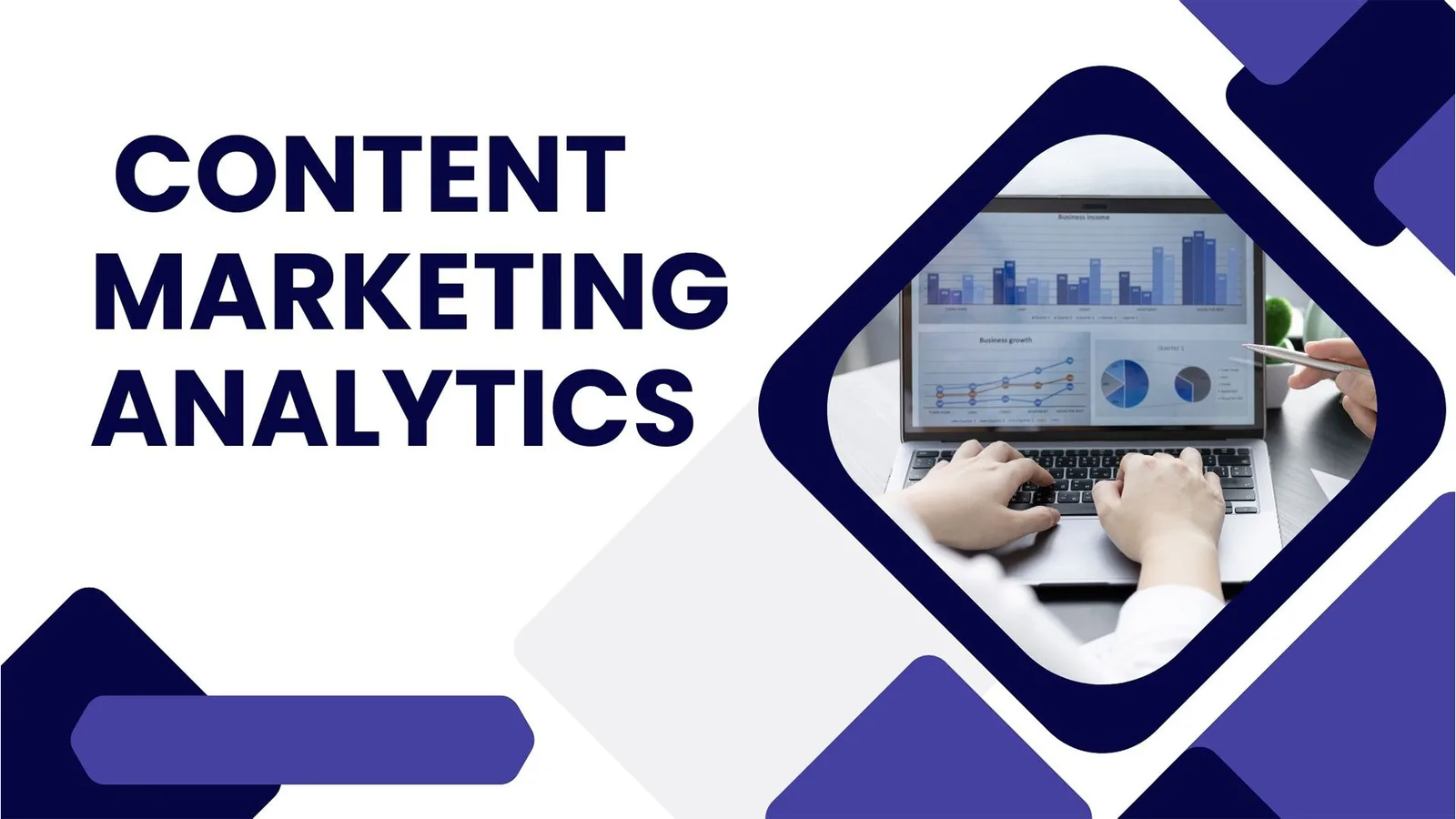
The best content marketing analytics tools in 2026 do three things at once: they tell you which posts drive pipeline, which posts get cited inside AI answers (ChatGPT, Perplexity, Gemini, Claude), and which posts are silently wasting your editorial calendar. Most teams use only the first dimension. The teams winning right now use all three.
Content marketing is only working when it actively contributes to a measurable business outcome. The right analytics stack tells you which posts move that outcome, which need a refresh, and which to retire. This guide walks through the tools senior operators actually use, what each one does well, and the gaps each one leaves behind.
Content Marketing Analytics Tools to Drive Performance and Growth
Content marketing analytics play a crucial role in this process by providing a clear picture of your content’s impact. It provides insights into how people interact with your content, traffic sources, and conversions. By examining these insights, you can adjust your strategy and make better decisions towards the achievement of your goals.
Let’s take a look at some tools you can utilize to measure your content success effectively:
Google Analytics
Google Analytics is a comprehensive tool for monitoring and analyzing user activity on websites. It offers information about how users engage with your content, enabling you to track conversions and assess content effectiveness.
Google Analytics is the go-to tool if you require in-depth information about user behavior on your website and want to monitor the performance of your content in real time.
Features:
- Built-in Automation
- Reporting
- Advertising workspace
- Explorations
- Data collection and management
- Integration
Pricing:
- Free
Google Search Console
While Google Analytics can be helpful in monitoring user behavior, Google Search Console focuses on providing insights on search related traffic. It is a free service by Google that helps you understand how Google crawls, indexes and serves websites, how Google sees your website to put it simply.
By monitoring your site’s organic performance you can optimize for better search results and stay on top of your SEO efforts.
Features:
- Sitemaps
- Search Analytics Report
- Link Search Console with Google Analytics
- URL Inspection tool
- Data Highlighter
Pricing:
- Free
SEMrush:
SEMrush is a marketing platform that excels in tracking SEO and keyword performance. It’s ideal for digging into keyword research, competitor analysis, and content optimization. It offers insights for content research helping you identify trends in your niche.
The tool keeps track of your Google results and pages that get the most traffic, which helps you modify your content based on what attracts people to your site.
Features:
- Keyword Research
- Competitor Analysis
- Rank Tracking
- Link Building
- Competitor SEO Analysis
- Content Optimization
- Social Media Management Apps and Others
Pricing:
- Pro: $139.95 monthly +$45 per additional user
- Guru: $249.95 monthly +$80 per additional user
- Business: $499.95 monthly +$100 per additional user
Ahref:
Similar to SEMrush, Ahref is also a digital marketing and SEO analytics tool. What sets it apart is its exceptional backlink analysis, with one of the most comprehensive and precise backlink databases on the market.
Along with a user-friendly interface, Ahrefs is known for its Content Explorer tool and keyword research capabilities.
Features:
- Extra tools & features
- Domain Comparison
- Batch Analysis
- Link Intersect
- Content Gap
- Email Alerts
- SEO Checker
- Word Count
- Grammar Checker
- Traffic Checker
- Looker Studio Connectors
- Top Websites
- SEO Reportin
Pricing:
- Lite: $129 monthly
- Standard: $248 monthly
- Advanced: $449 monthly
- Enterprise: 14,990 annually
Moz:
Moz is another SEO analytics software that focuses on enhancing search engine visibility. It combines SEO tasks into a cohesive strategy featuring an intuitive interface.
Moz helps users assess the performance of their website by estimating the likeliness of a site to rank well in the search engine through its Domain Authority metric. Alongside, provides insights into how competitors rank on the search engine result pages (SERPs).
Features:
- Domain analysis
- Competitive research
- Keyword explorer
- MozBar
- Link explorer
- More free SEO tools
Pricing:
- Starter: $49 monthly with access to 1 user seat
- Standard: $99 monthly with access to 1 user seat
- Medium: $179 monthly with access to 2 user seats
- Large: $299 monthly with access to 3 user seats
Buffer:
Buffer is a multi-purpose social media marketing tool that provides a wide range of metrics to track content performance. While it may not provide detailed insights into search engine rankings, it’s effective to track engagement metrics such as likes, shares, comments, and click-through rates.
It particularly studies your analytics and tells you the best time to post, what to post and the ideal posting frequency.
Features:
- AI Assistant
- Custom Reports
- Daily Updates
- White Label Reports
- Multiple Export Options
- Mobile Apps
- Browser Extension
Pricing:
- Free: with a limit of 10 scheduled posts per channel
- Essentials: $5 monthly/ per channel with unlimited scheduled posts
- Team: $10 monthly/ per channel with unlimited scheduled posts
- Agency: $100 monthly for 10 channels with unlimited scheduled posts
How to Choose the Right Analytics Tools:
Choosing the right tool for you involves knowing what you want to measure. Therefore, knowing your campaign’s goals is a crucial step in the process. Here’s how you can approach it:
Establish Goals: Start by establishing goals according to what factors contribute to your site’s growth.
Identify Key metrics: identify which metrics align with your goals
Choose the Right Tool: Pick tools that best track the relevant metrics
Evaluate relevance: Assess whether you’re measuring the right metrics. Ask yourself questions like; do these metrics provide insights into how I can improve my content strategy?
Run Analysis: Run analyses for metrics that contribute to your goals.
FAQs
1. What is content marketing analytics?
Content marketing analytics is the process of collecting data that tells you about the performance of your digital content.
2. Why is content analytics important?
Content analytics help you understand what content performs well on the search engine and for your target audience. The data can help you create a better strategy for your marketing goals.
3. Which social media metrics should I track?
What metrics you should track depends on your goals. For example, if your goal is to get more views, you might want to check your engagement rate on each type of content you post.
Final Thoughts:
Continuous evaluation and adjustment of your strategy is the key to thrive in content marketing. By leveraging content marketing analytics tools that contribute to your content performance metrics, you can measure your growth effectively and maximize the impact of your content.
Let’s Discuss it Over a Call
Key takeaways
- Content Marketing Analytics Tools to Drive Performance and Growth
Questions people ask about this
Sourced from client conversations, Search Console, and AI-search citation monitoring.
- Content marketing analytics is the process of collecting data that tells you about the performance of your digital content.
- Content analytics help you understand what content performs well on the search engine and for your target audience. The data can help you create a better strategy for your marketing goals.
- What metrics you should track depends on your goals. For example, if your goal is to get more views, you might want to check your engagement rate on each type of content you post.
Keep reading
Related articles.
More on the same thread, picked by tag and category, not chronology.
Google Maps Ads: What You Can Buy
There is no Google Maps campaign type. Google states you cannot serve ads exclusively in Maps. Here are the four Maps ad formats, the campaigns that produce each one, what you must link first, how the inventory bills, and when the spend is not worth it.
 Samrina Khan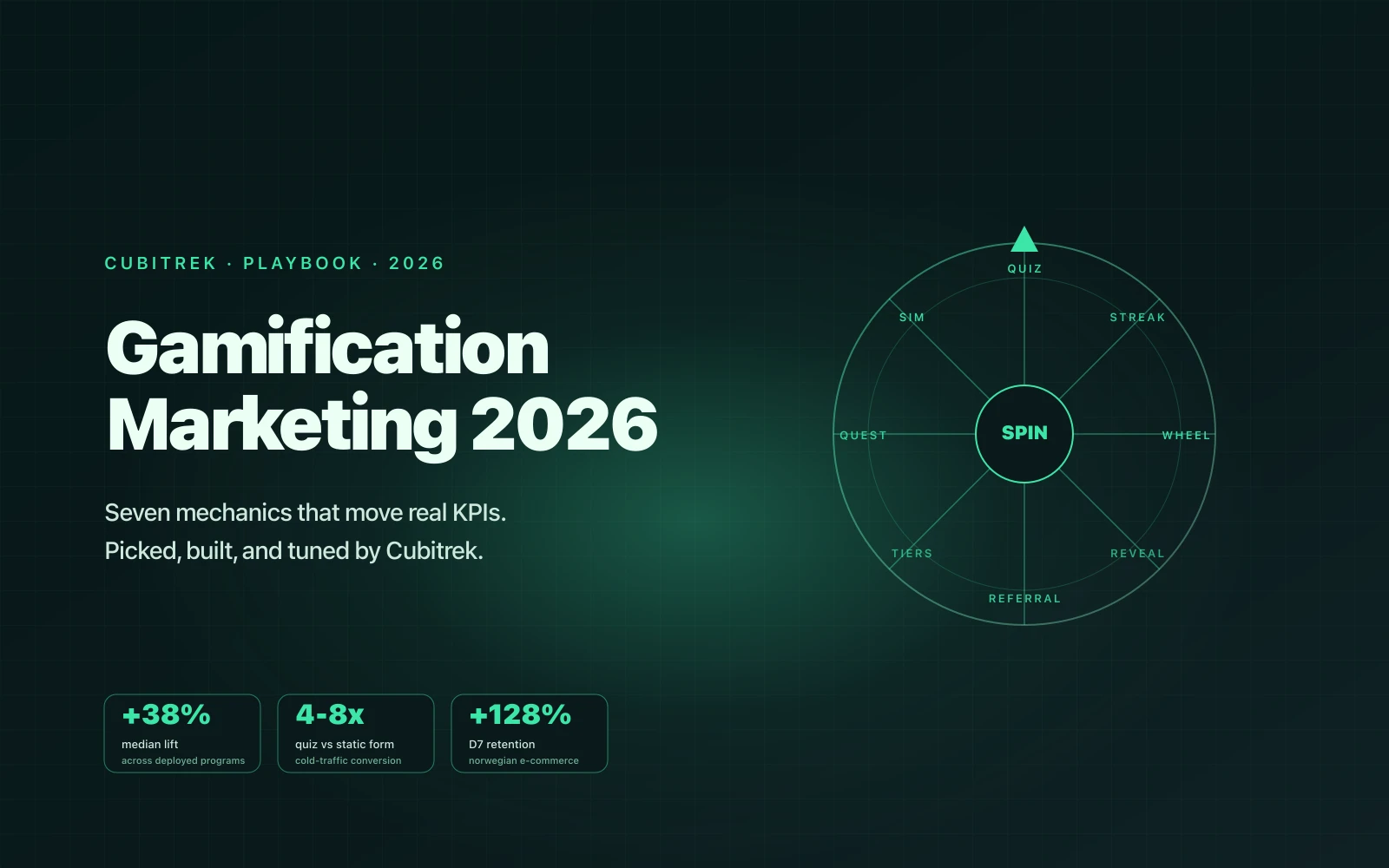
Gamification Marketing 2026 Playbook
Seven gamification mechanics that move real marketing KPIs in 2026. Quizzes, spin wheels, streaks, tier programs, onboarding quests, two-sided referrals, and learning sims.
Faizan Ali Khan
Gamified SaaS Onboarding
The implementation guide. Why gamified onboarding works (the boring research-backed part), the four mechanics that move SaaS activation, and a Cubitrek case study with 78 percent lift in net new paying customers.
Faizan Ali KhanReady when you are
Want Cubitrek to run Digital Marketing for you?
We install digital marketing programs for growing companies across the US and Europe. Book a call and we'll come back with a one-page plan in 72 hours.