

Airbnb’s Authentic UGC Strategy: More Than Just Clicks
How Airbnb built guest reviews and guest photos into its product and its marketing, what changed in 2026, and how to run a UGC program that holds up.

In 2026, paid ads cost more, organic reach is harder, and AI-generated content is everywhere. The brands winning attention are the ones using user-generated content (UGC), the photos, videos, and reviews real customers post about a product. Airbnb, which by May 2026 counted more than 5.5 million hosts and 2.5 billion guest arrivals since its first guests in 2007, built its trust system on this mechanic. This article breaks down exactly what they did, what other brands have copied successfully, and how Cubitrek applies the same playbook for clients in 2026.
Why UGC works in 2026
What UGC is and why it works
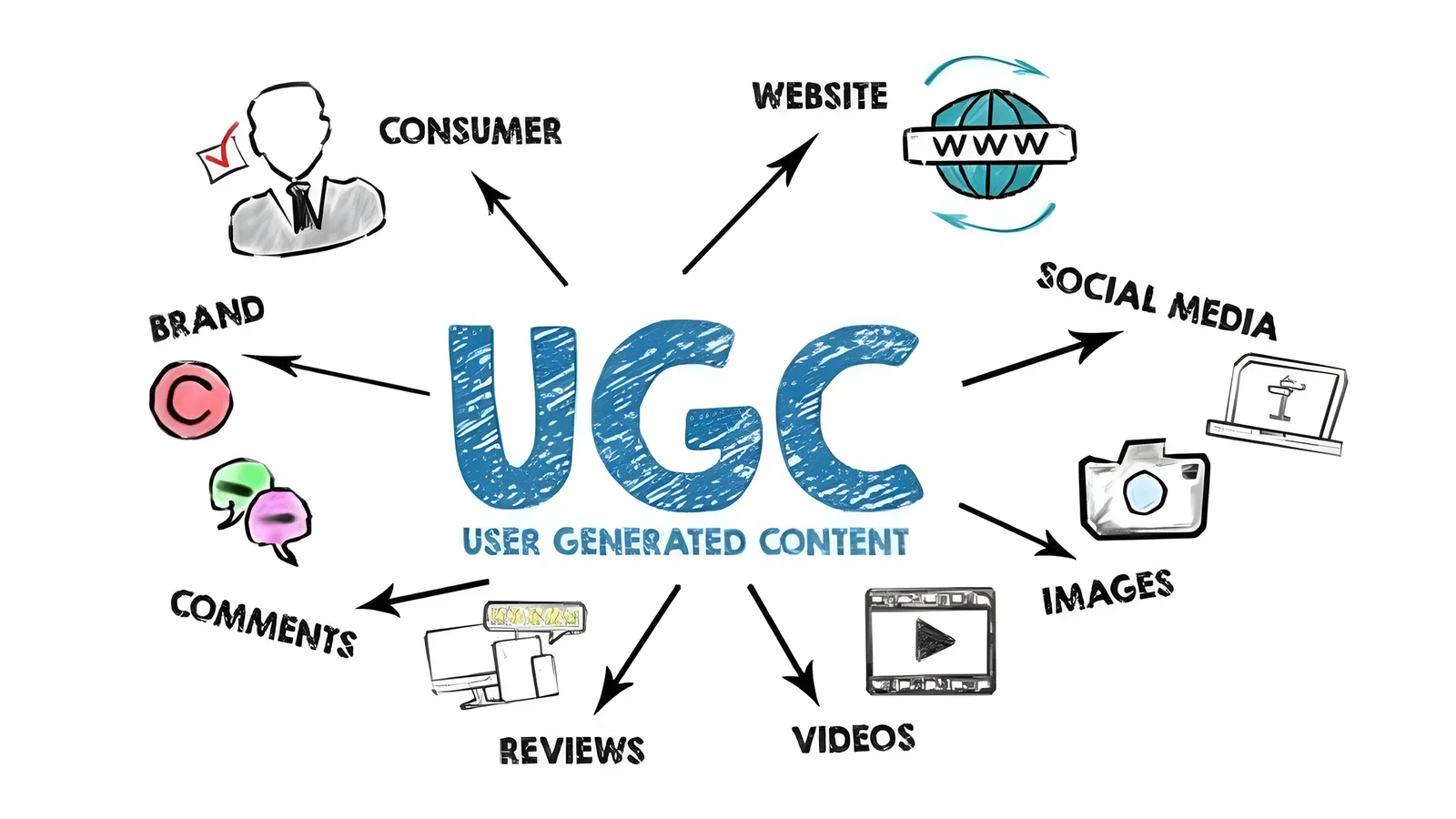
User-generated content is anything a real customer creates about a brand: a TikTok unboxing, an Instagram review, a Google star rating, a YouTube tutorial, a Reddit thread, a forum testimonial. The format varies. The trust signal does not.
UGC works because it solves three problems brand-made content cannot:
- Trust. In Nielsen's 2021 study, 88% of people trusted recommendations from people they know more than any other channel. In its 2015 study, 66% trusted consumer opinions posted online.
- Volume. A brand's creative team can only produce so many assets a quarter. A customer community produces far more, with no creative team at all.
- Search and AI relevance. UGC fills the long tail of search and AI prompt queries that brand content cannot cover. In May 2024 OpenAI agreed to use Reddit's Data API to bring Reddit content into ChatGPT, so forum threads about your product can shape AI answers.
The Airbnb UGC case study: what they built
Airbnb did not stumble into UGC. They engineered it. Four deliberate moves since Airbnb's first guests in 2007 built a library of more than one billion guest and host reviews by May 2026.
1. Reviews as the core trust mechanic
Airbnb asks both sides for a review after every stay. Reviews are public and two-sided: guests review hosts and hosts review guests. As of October 2026, each side has 14 days after checkout, and reviews post only when both are in or the window closes. Guests had left more than 371 million reviews by November 2023, and Airbnb counted more than one billion guest and host reviews in May 2026.
The lesson: UGC at scale needs a prompt built into the product, not a one-off campaign.
2. Campaign lines people can share
Airbnb's campaign lines, such as Live There (April 2016) and Made Possible by Hosts (February 2021), gave guests a phrase to share alongside their own trips.
3. Featuring users in paid ads
Airbnb's February 2021 campaign, Made Possible by Hosts, was built from real photographs taken by guests during their stays. Not every campaign works that way: its 2017 Super Bowl spot reused footage from an earlier Airbnb film, and its 2023 Get an Airbnb campaign was animated.
4. Reviews now feed Airbnb's own AI
In May 2026 Airbnb added AI review highlights: its models read each listing's reviews and surface what guests mention most, such as location, amenities and family-friendliness. Its September 2026 update lets guests read friends' reviews on a travel map. Airbnb's 2025 annual report credits the strength of its brand for its lower reliance on paid marketing channels.
Why UGC works in travel and which other industries copy it
Travel is high-trust, high-stakes, high-emotion. UGC fits perfectly. Other industries running their own version of the playbook in 2026:
- Real estate. Move-in videos from new homeowners, walkthrough reels filmed by tenants, before-and-after renovation posts. See Cubitrek's real estate tech app guide for the tools.
- Beauty and skincare. Glossier grew on customer reviews and Instagram tags and was valued at $1.8 billion in July 2021. In 2017 its founder said 70 percent of online sales and traffic came through peer-to-peer referrals.
- Outdoor and apparel. Patagonia, REI, Lululemon all run UGC programs tied to athlete and customer storytelling.
- B2B SaaS. G2, Capterra, and Trustpilot reviews now feature in Google AI Overviews. A SaaS without reviews on those platforms gives AI engines less to cite.
- Restaurants and hospitality. In a Toast survey of 1,466 US adults in October 2025, 14% named TikTok as a way they find new restaurants.
The pattern: any product with a personal experience attached benefits from UGC. The execution differs by industry, but the structural moves are the same.
How to build a UGC strategy that works
A UGC strategy is not "ask customers to post and tag us." That worked in 2017. In 2026 the playbook needs five layers:
1. Make sharing structural, not optional
Bake the prompt into the product experience. Airbnb asks for a review after every stay. Spotify ships Wrapped every year (UGC at industrial scale, customer-shared screenshots). Strava sends subscribers a year-end recap. The brands that win UGC make it a side effect of using the product, not a separate request.
2. Run a hashtag with a real campaign behind it
A hashtag without a campaign is dead media. A hashtag with a contest, prize, or featured-creator program gives people a reason to post. Budget for the campaign infrastructure.
3. Reward and feature the best contributors
Repost on the brand account. Send a small physical gift. Offer a discount code. Never tie a reward to a positive review: the FTC's August 2024 rule on reviews and testimonials bans incentives conditioned on a review's sentiment. Feature them in paid ads with a license fee. Most users will share for free; your most active contributors may need a small reward to keep producing.
4. License the content properly
Get explicit rights to repost in paid media. The standard structure is a one-line DM offering perpetual non-exclusive license in exchange for credit and a small payment. Without this, your paid-ad scaling capacity gets capped by what your legal team will approve.
5. Distribute UGC across every customer touchpoint
Product detail pages, email flows, paid ads, organic social, retail signage, sales decks. The asset is fungible, distribute everywhere.
How Cubitrek applies UGC for clients in 2026
The recipe:
- Audit the product for UGC moments. Every place a customer reaches a "win" (item delivered, problem solved, milestone hit) becomes a UGC prompt.
- Build automated capture flows. Post-purchase email at 7 days, 14 days, 30 days. Each ask is different (rating, photo, video).
- Set up a content library. A Notion or Airtable database with rights status, source, hashtags, and performance metrics for every asset.
- Distribute across PDPs, email, and paid. UGC galleries on product pages. UGC carousels in welcome flows. UGC creative variants in Meta and TikTok ads.
- Track AI citations. Reddit threads, G2 reviews, and YouTube videos about your brand show up in AI answer engines. We track them weekly via Cubitrek's answer-engine listener.
The 2026 angle most brands miss: UGC as AI fuel
Here is the unique-to-2026 insight: AI engines (ChatGPT, Perplexity, Gemini, Claude) lean heavily on UGC sources when they answer brand questions. A user asks "is Brand X actually good for sensitive skin?" and the AI synthesizes Reddit threads, Trustpilot reviews, YouTube videos, and forum posts. Your brand-controlled content barely registers.
The brands winning AI citations in 2026 are the ones with the deepest UGC footprint on the platforms AI engines crawl. That is a different KPI than Instagram engagement or PDP conversion. It needs its own measurement layer.
Conclusion: UGC stopped being a marketing tactic
In 2026 UGC is infrastructure. It is the trust layer that paid ads cannot replicate, the AI-citation fuel that brand pages cannot match, and the conversion lift that CMS-managed photography cannot deliver. Airbnb proved the ceiling. Glossier, Patagonia, and Duolingo proved it scales across categories.
The brands that will struggle in 2026 are the ones still treating UGC as a side project. The brands that win treat it as a structural part of the product, the marketing pipeline, and the AI visibility stack.
Frequently asked questions
1) What strategy does Airbnb use for UGC?
Three layers: a review request after every stay (more than one billion guest and host reviews by May 2026), campaign lines guests can share, such as Live There, and guest photos in paid media, as in the 2021 Made Possible by Hosts campaign.
2) What is Airbnb's GTM strategy?
Two-sided. They market hosting income to property owners and unique-stay experiences to travelers. UGC fuels both sides because hosts see real income proof and guests see real stay experiences.
3) How is UGC different in 2026 vs. 2020?
Two big changes. (a) AI-generated content saturated brand channels, so UGC's authenticity premium is bigger than ever. (b) AI engines now cite UGC sources (Reddit, G2, YouTube) in their answers, so UGC has become a search and AI visibility lever, not just a social engagement one. Brands that need to manufacture that participation at scale increasingly reach for gamified mechanics, which feed the same citation loop.
4) How much should a mid-market brand spend on a UGC program?
It depends on how many touchpoints you want covered. Cubitrek's UGC programs include capture flows, rights management, a content library, and distribution across PDPs, email and paid. We quote after a short scoping call.
Let's discuss it over a call.
Key takeaways
- Build the prompt into the product, as Airbnb does with reviews, rather than relying on one-off campaigns.
- Get written rights before using customer content in ads, and never tie a reward to a positive review.
- AI engines draw on reviews and forum threads, so your UGC footprint shapes what AI answers say about you.
Questions people ask about this
Sourced from client conversations, Search Console, and AI-search citation monitoring.
- User-generated content is anything a real customer creates about a brand: reviews, photos, videos, posts and forum threads. Airbnb's version is its review system, which held more than one billion guest and host reviews in May 2026.
Keep reading
Related articles.
More on the same thread, picked by tag and category, not chronology.
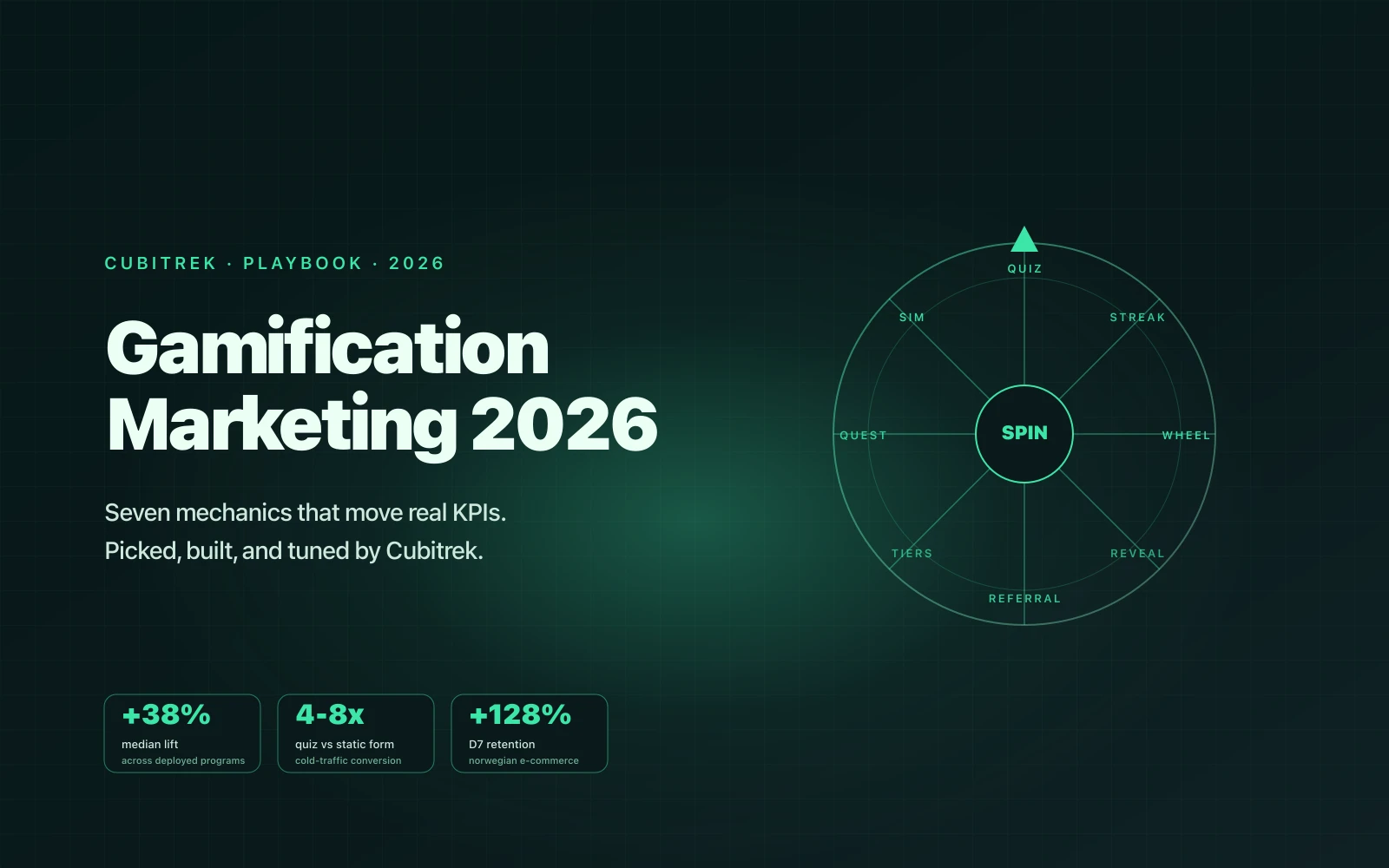
Gamification Marketing 2026 Playbook
Seven gamification mechanics that move real marketing KPIs in 2026. Quizzes, spin wheels, streaks, tier programs, onboarding quests, two-sided referrals, and learning sims.
 Faizan Ali Khan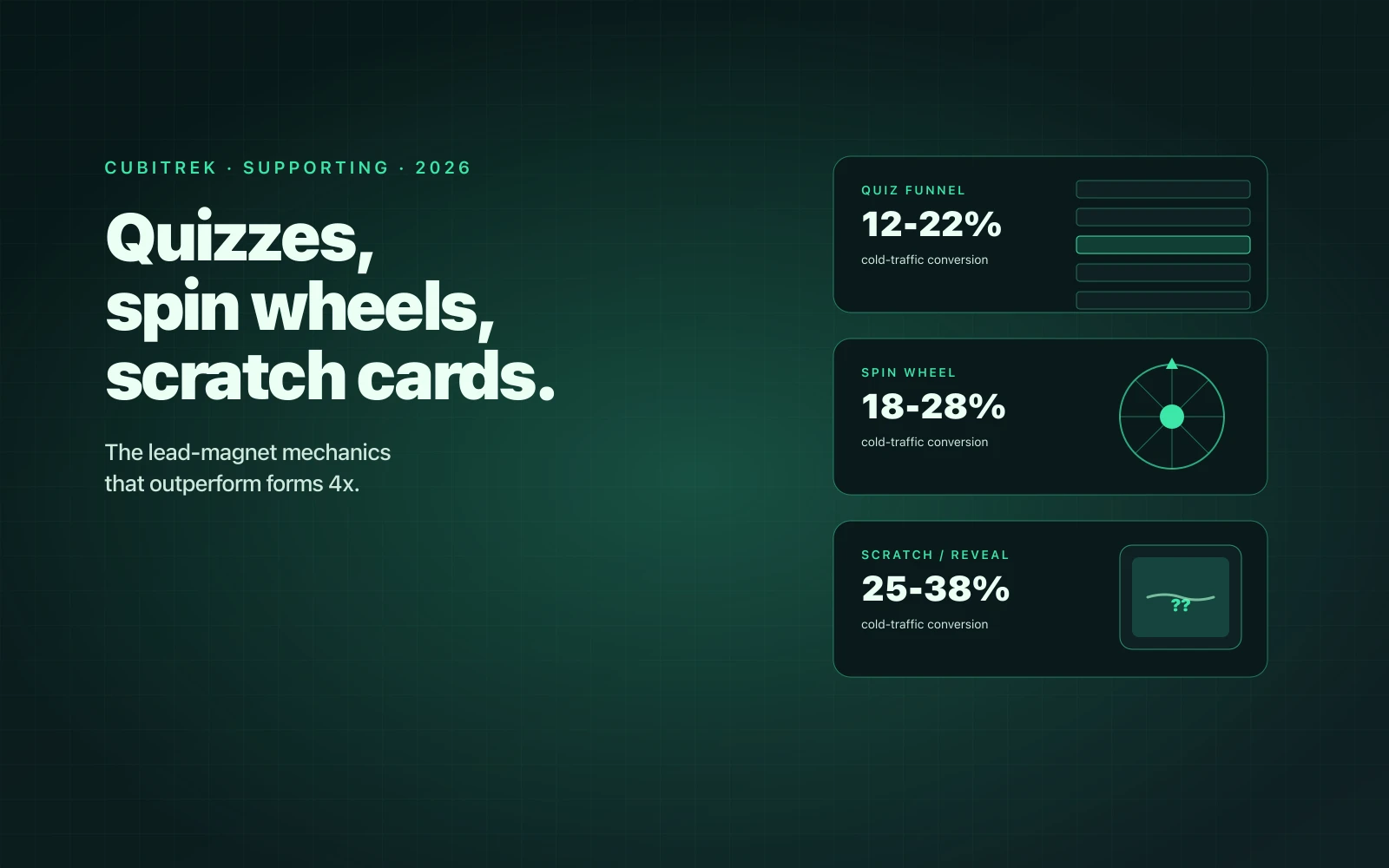
Gamified Lead Magnets
Static forms convert at 2 to 4 percent on cold traffic. Quizzes, spin wheels, and scratch reveals convert at 12 to 38 percent. The short, sharable version: when each mechanic wins, when it loses, and the reward economy that determines lead quality.
Faizan Ali Khan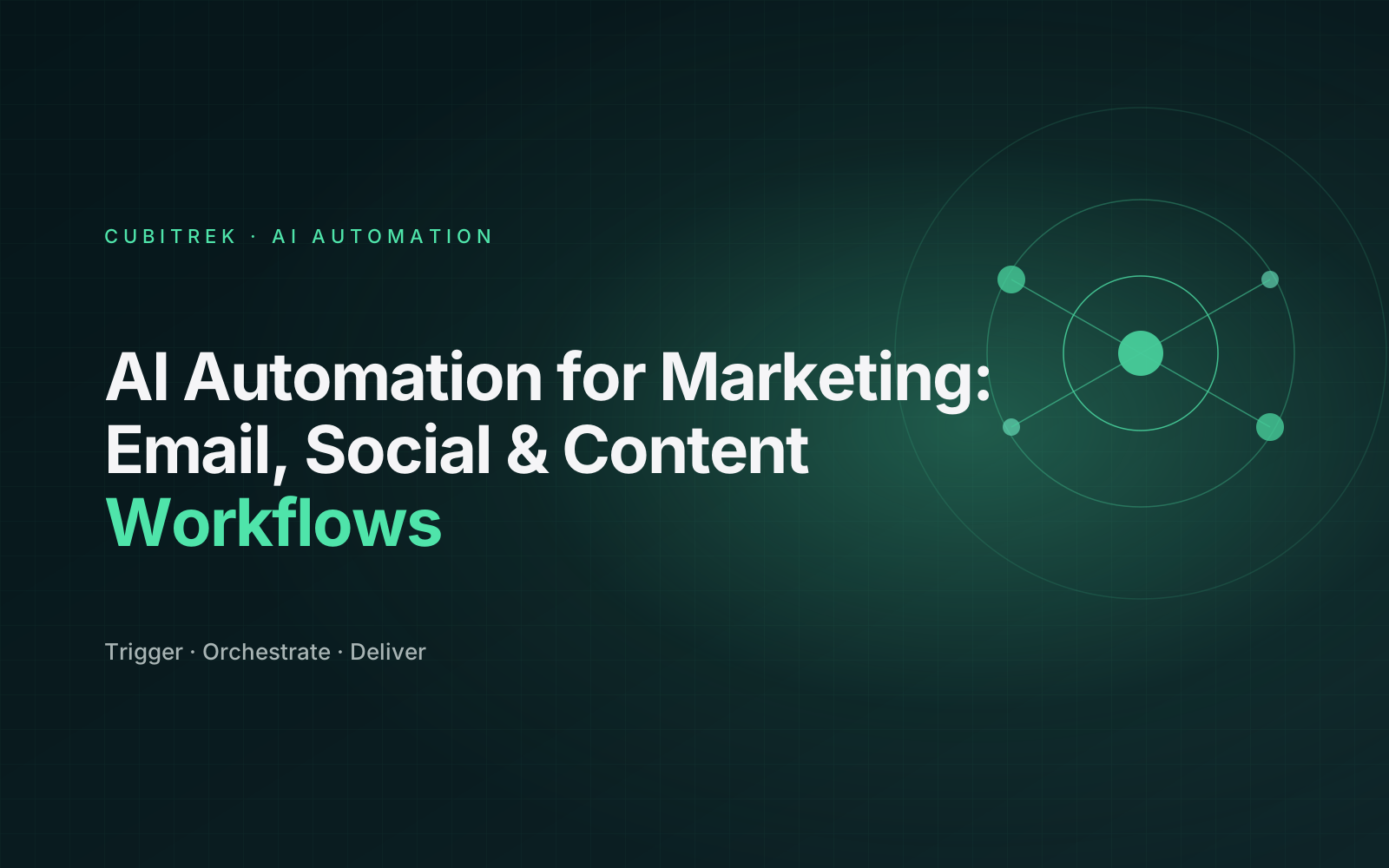
AI Automation for Marketing: Email, Social & Content Workflows
AI automation handles 60-70% of marketing execution: email campaigns, social media, content creation, and analytics. Free your team to focus on strategy.
Faizan Ali KhanReady when you are
Want Cubitrek to run Digital Marketing for you?
We install digital marketing programs for growing companies across the US and Europe. Book a call and we'll come back with a one-page plan in 72 hours.